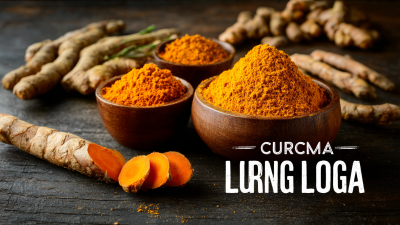
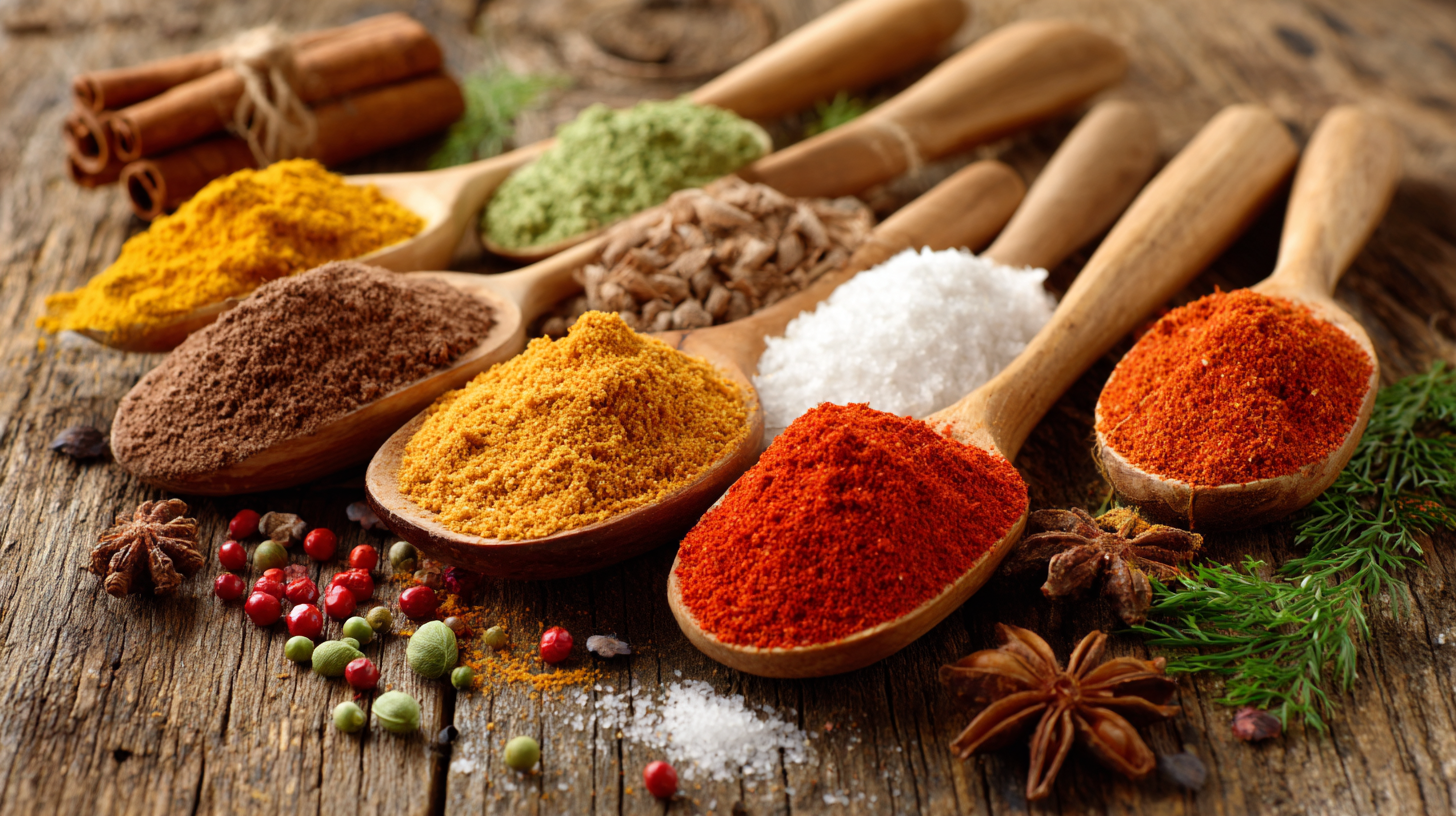
When it comes to tweaking flavors, textures, and just making your dishes stand out, picking the right food additives really matters. They’re a big deal in today’s cooking scene — not only do they help improve taste and look, but they also play a key role in preservation and safety. At Xi'an Kintai Biotech Inc, we truly get how important quality ingredients are when it comes to these additives. That’s why we’ve built a thorough quality control process — starting right from the planting stage and going all the way through strict inspections. This careful approach ensures that every raw material we use meets the highest safety and quality standards. In turn, this helps chefs and food makers make smarter choices, craft better dishes, and most importantly, keep consumers safe and happy.
Understanding Different Types of Food Additives and Their Functions
When you're picking out food additives for your cooking, it’s pretty important to get a handle on the different types out there and what they actually do. Basically, additives fall into a few main groups: preservatives, flavor boosters, thickeners, and colorants—each one serving its own purpose. Preservatives help keep things fresh longer and stop food from spoiling, while flavor enhancers make your dishes tastier. Thickeners give that nice, hearty consistency to sauces and soups, and colorants just make everything look a bit more appealing on the plate.
A quick tip, though—when you’re using preservatives, try to go for natural ones whenever you can. Not only are they better for your health, but they also keep things simple. If you’re looking to boost flavor, consider adding ingredients rich in umami, like mushrooms or some fermented foods—they really add a depth of taste. And when you’re working with thickeners, start small. Add just a little at first—you can always add more if needed, but it’s tough to fix if you go overboard and end up with a gluey dish.
Oh, and don’t forget about your colorants. Knowing where they come from really matters—natural ones, like those from fruits and veggies, aren’t just pretty but often come with some extra nutrients. Playing around with different additives can really open up a whole new world of flavors and textures, giving your cooking an edge while keeping it safe and wholesome. So, don’t be afraid to experiment and find what works best for you!
Evaluating the Safety and Regulatory Standards of Food Additives
When you're choosing food additives, it's really important to understand their safety and what rules are in place. Basically, these additives go through lots of testing—handled by agencies like the FDA or EFSA—to make sure they aren’t gonna cause health problems down the line. They check stuff like whether it’s toxic, if it could trigger allergies, or if it might have long-term effects. Even if a substance is approved for safe use, there might still be some limits on how much you can use it, especially to protect more sensitive folks.
Plus, it’s super helpful to stay in the loop about certifications and safety reviews related to different additives. There are tons of trustworthy sources out there that keep tabs on the latest research and regulations. Experts and organizations often share guidelines and updates, which can really help both home cooks and pros make smarter choices. By getting familiar with these safety standards, everyone—whether you're cooking at home or working in a kitchen—can pick additives that not only make your food tastier and more nutritious but also follow safety rules and regulations. It’s all about making informed decisions so you can enjoy your food without worry.
Identifying Your Culinary Needs: Flavor, Texture, and Preservation
When you're trying to pick the right food additives, it’s pretty much about figuring out what your cooking needs—whether it's flavor, texture, or preservation. Each of these things really makes a difference in how your dish turns out. For example, if you want to give your meal a flavor boost, natural stuff like herbs and spices is a great way to go—no need to rely on artificial ingredients. Knowing what kind of flavor profile you're after can help steer you in the right direction.
And let’s not forget about texture. Using emulsifiers, stabilizers, or thickeners can totally change the game—making your sauces creamier or your cakes fluffier. Picking the right thickener is kinda crucial if you want that perfect consistency. It’s a good idea to test out a few options to see what works best with your recipe.
Pro tip: Always take a minute to read those ingredient labels—better safe than sorry, especially if you’re avoiding allergens. Start small when adding new ingredients—this way, you can see how they affect the flavor and texture without going overboard. And don't be afraid to get creative! Mixing and matching different additives might lead to some happy surprises in the kitchen.
Choosing Natural vs. Synthetic Additives for Your Cooking
When you're choosing food additives for cooking, it's pretty important to get what the difference is between natural and synthetic options. Natural additives, which come from whole foods, usually add flavor or help with preservation without risking your health. On the flip side, synthetic ones—like carrageenan, often found in processed meats—can do specific things, like helping the meat stick together. But let's be honest, they also make people wonder if these additives are really safe or if they're even legit.
You might have heard about that whole '拼接牛排' scandal recently. It really shows how folks are getting more cautious about what they're putting in their bodies, especially when they find out their steak might have some artificial binders thrown in. It kind of sparks a bigger conversation about transparency when it comes to food labels. At the end of the day, choosing between natural and synthetic additives really boils down to your personal values, health concerns, and how much you care about knowing what’s in your food. It’s all about finding that balance—doing what’s right for you and feeling good about what you’re eating.
Reading Labels: How to Spot Additives in Ingredients Lists
When you're picking out food additives for your cooking adventures, it's really important to read those labels carefully. Honestly, ingredient lists can look like a total jumble of weird words at first, but if you pay close attention, you'll start to spot which additives are there and whether they might fit into your recipes or not. A good trick is to check for anything in parentheses right after natural ingredients—they usually tell you what’s being preserved or altered.
**Quick tip:** Get familiar with some common additives—things like 'xanthan gum' and 'sodium benzoate' are usually there to thicken stuff or keep things fresh. Knowing what they are can help you pick products more confidently.
Also, keep an eye out for labels saying “natural flavors”—these can be pretty vague and cover a lot of ground. And ingredients like MSG (monosodium glutamate) are added to boost flavor, but they’re not for everyone, especially if you’re trying to keep things on the cleaner side health-wise.
**Another tip:** If you’re all about eating clean, go for products with fewer additives and look for organic labels when you can. That way, you’re more likely to get wholesome ingredients and still enjoy all those delicious flavors you love.
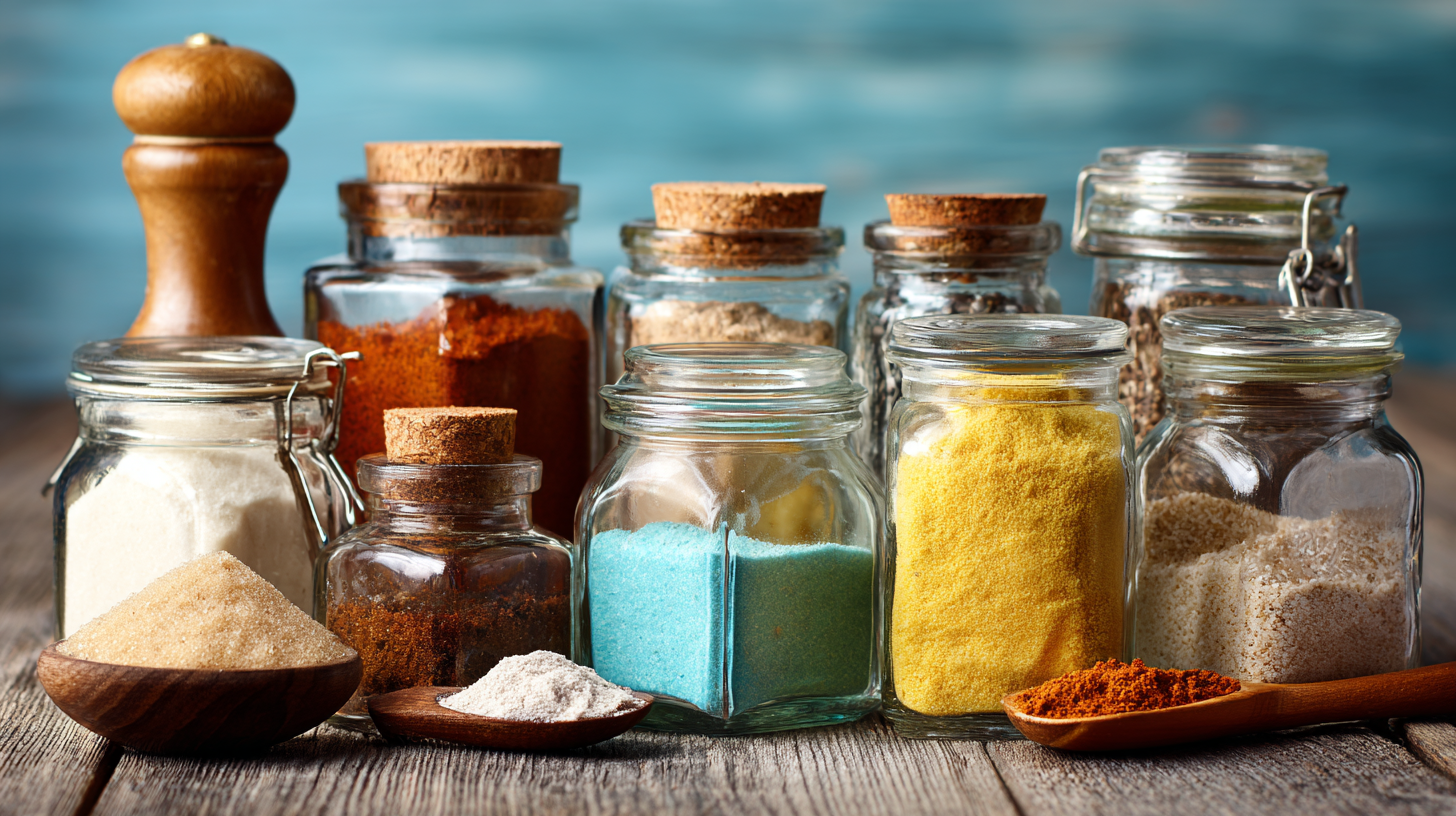
Sourcing Quality Food Additives from Reliable Suppliers
When you're on the hunt for quality food additives, it’s really important to work with trusted suppliers who put safety and transparency first. Start by digging into their backgrounds—look for industry standards and certifications like ISO or GMP, which really tell you they follow strict safety and quality rules. These certifications are like a badge of trust, showing their facilities meet high standards. Also, try to find suppliers who are upfront and provide all the details about their products—stuff like where they source their ingredients, what's in them, and whether they contain common allergens.
Building a good relationship with your suppliers can Seriously make a difference in your cooking or product development. Don’t hesitate to ask for samples or smaller quantities first—that way, you can make sure the quality’s there before going all in. Good suppliers are usually happy to share tips on how best to use their products, including recommended amounts and any special features they might have. Teaming up with reputable suppliers helps ensure your food additives not only do the job but also meet high standards for safety and quality. It’s really about creating a trusted partnership that keeps everything running smoothly.
Food Additives Usage Across Different Food Categories
FAQS
: Food additives can be broadly categorized into preservatives, flavor enhancers, thickeners, and colorants, each serving a unique purpose.
Preservatives extend the shelf life of food and prevent spoilage.
Flavor enhancers elevate the taste of dishes, making them more enjoyable.
When using thickeners, start with small amounts and gradually add more until you achieve the desired texture.
Natural colorants, derived from fruits and vegetables, not only improve visual appeal but also often come with additional nutritional benefits.
Understanding safety and regulatory standards ensures that food additives do not pose health risks, as they must undergo rigorous testing before approval.
Regulatory agencies such as the FDA (Food and Drug Administration) or EFSA (European Food Safety Authority) evaluate food additives for safety.
You can stay informed by consulting reliable sources, professional organizations, and updates regarding food safety guidelines and assessments.
Yes, even substances deemed safe might have restrictions to prevent adverse reactions in sensitive populations.
Umami-rich additives like mushrooms or fermented products are examples of natural flavor enhancers for a more authentic taste.
Conclusion
Picking the right food additives is pretty important if you want your cooking to turn out great and still be safe to eat. There are all kinds of additives out there—some boost flavor, others improve texture, and some help keep things fresh longer. It’s a good idea to look into their safety and make sure they meet regulatory standards, just to keep your customers (or family) safe. Figuring out what you actually need in your kitchen is key—whether you prefer natural ingredients or don’t mind synthetic ones—so you can tweak things to suit your style.
When you’re buying these additives, don’t just grab the first thing you see. Make sure to read those labels carefully, checking for any suspicious ingredients. Also, working with trusted suppliers like Xi'an Kintai Biotech Inc can really make a difference. They focus on quality control from start to finish, so you know you’re getting high-quality, safe stuff. In the end, being smart about your choices with food additives just helps you cook better and keep safety as a top priority—win-win all around!