Have you heard of [Cytisine Powder](https://www.kintainutri.com/cytisine-powder)? It’s been catching some attention as a potential help for people trying to quit smoking. Dr. Emily Carter from the Nicotine Research Institute even says it looks promising — claiming that Cytisine might really help folks kick the habit. Basically, it’s a natural compound that mimics nicotine, so it targets those receptors in your brain involved in addiction.
Quitting smoking isn’t easy, right? The cravings and withdrawal symptoms can feel pretty intense sometimes. That’s where Cytisine Powder comes in with a more scientific approach to tackling those tough spots. But, yeah, it’s important to use it properly to get the most out of it.
Knowing the right dosage is key; everyone reacts a bit differently, which can sometimes lead to confusion about how well it works. Some folks have mentioned feeling a little off or experiencing mild side effects. Listening to those experiences can help new users make smarter choices. Remember, quitting is a journey — approach it with care, and always keep in mind both the potential benefits and the limitations of Cytisine Powder.
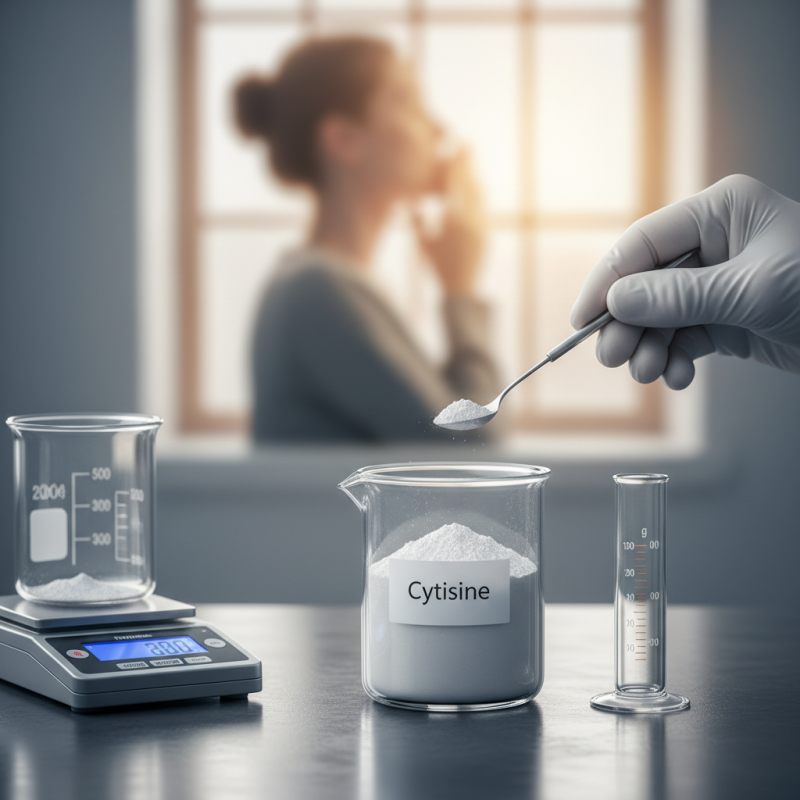
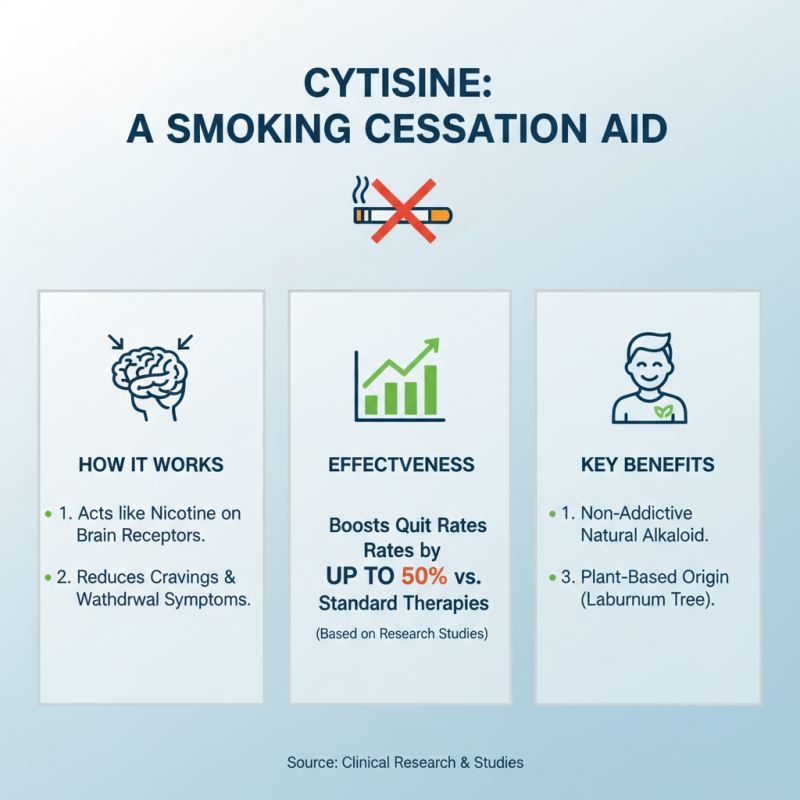
Cytisine is gaining attention as a natural alternative for smoking cessation. Derived from the plant Laburnum anagyroides, it's been used for years. Many see it as a potential solution to help reduce cravings. The process may not be straightforward. While it holds promise, results may vary significantly from person to person.
Using Cytisine Extract Powder can be a healthy step forward. The powder can be ingested in specific doses throughout the day. Many users mix it with water or juices. It's crucial to monitor how your body responds. Side effects can occur, and they shouldn't be ignored. Some might experience mild nausea or headaches, triggering doubts about the process.
It's important to reflect on your journey. Will this method fit well with your lifestyle? Each step taken with Cytisine should be assessed. Consulting a healthcare professional is always wise. As you navigate your smoking cessation journey, focus on your well-being. The road may be uneven, but every small success counts in pursuit of a smoke-free life.
Cytisine is gaining attention for its role in smoking cessation. It acts on the brain much like nicotine. This binding helps reduce cravings and withdrawal symptoms. Research indicates that cytisine can increase the chances of quitting smoking successfully. A study revealed that taking cytisine can improve the quit rate by up to 50% compared to standard therapies.
Tips for using cytisine powder include starting gradually. Begin with a low dose to assess tolerance. It's vital to follow the recommended schedule, typically taken every few hours. Staying hydrated can also help manage side effects. Being aware of personal triggers is crucial; they may tempt a return to smoking.
While cytisine shows promise, not all results are consistent. Some users may experience nausea or restlessness. It's important to listen to your body and consult with a healthcare provider if side effects persist. Tracking your progress can enhance motivation. Celebrate small victories, like staying smoke-free for a day or a week. Remember, the journey of quitting is not perfect, and adjustments may be necessary along the way.
Cytisine powder shows promise for smoking cessation. Studies indicate its effectiveness as a smoking cessation aid. The recommended intake varies, depending on individual factors. Experts suggest starting with a dosage of 1.5 mg taken every two hours. This should happen in the initial week. Gradually, users can reduce frequency. Some may find this challenging.
Research reveals that users typically consume around 6-12 mg daily. The average treatment lasts about 25 days. Many report positive experiences. However, some do experience side effects. Common issues include nausea or sleep disturbances. It's crucial to monitor these effects while using Cytisine.
Each smoker's journey is unique. Personal factors can affect outcomes. Consultation with a healthcare provider is wise. They can help tailor the approach. Tracking usage and symptoms enables better management. Despite progress, it's important to remain flexible. Finding the right dosage for individual needs can take time. Understanding the nuances of Cytisine Smoking Cessation aids recovery. With patience, many can achieve their goals.
Cytisine powder is gaining attention for smoking cessation. Its preparation methods are crucial to maximize effectiveness. Users should start by measuring the appropriate dose. It’s essential to follow guidelines carefully. Using too much can lead to side effects. A small scale can help with accuracy.
Once you have the right amount, you can mix the powder with water. Stir until fully dissolved. This mixture can be taken in small sips throughout the day. Some users prefer to add a flavoring to mask the bitterness. This makes the process more palatable.
**Tips:** Start with a lower dose if you're new to cytisine. Observe how your body reacts. Adjust as needed, but be cautious. Consistency is key in this journey. Stay committed, even on tough days. Reflect on your progress often.
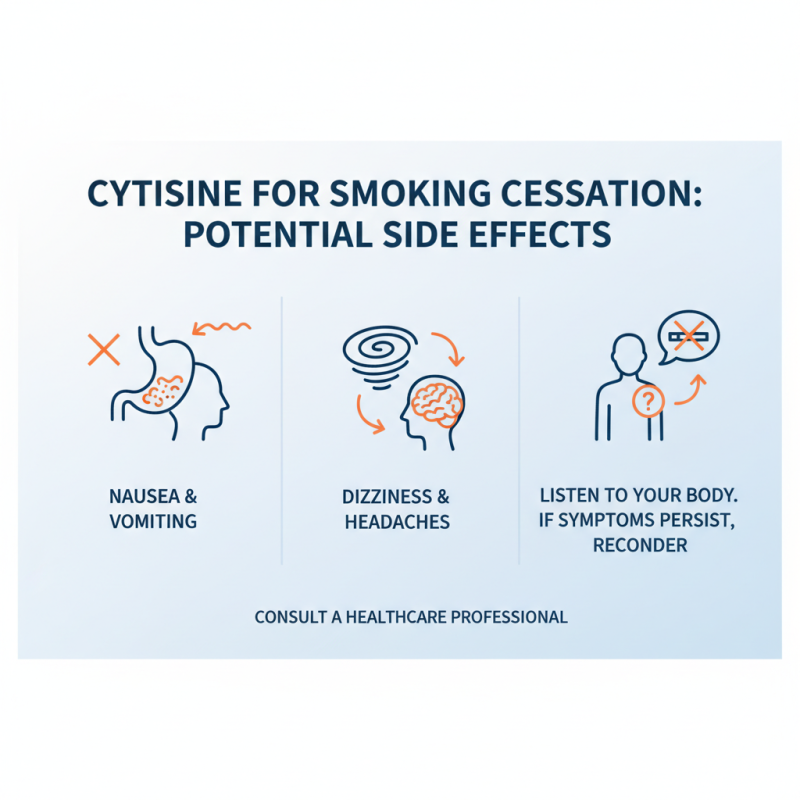
Using Cytisine for smoking cessation comes with potential side effects that users should be aware of. Some people experience nausea and vomiting. Others report dizziness or headaches. These effects can make the experience uncomfortable. It’s important to listen to your body during this period. If symptoms persist, reconsider your approach.
Mood swings can occur too. One moment you might feel motivated, and the next, anxiety can creep in. This fluctuation can be challenging, especially during withdrawal. Restlessness is another side effect to note. Some users find it hard to relax, which may hinder the cessation process.
Herb Extract Cytisine has shown promise, but it’s not without its drawbacks. Feelings of irritability may also arise. Monitoring your reactions can help you determine if you're on the right track. Each user’s experience is unique, so reflecting on these side effects is crucial for successful cessation.
Cytisine is gaining attention as a potential aid for quitting smoking. However, it works best when combined with behavioral therapy. This combination addresses both the physical and psychological aspects of addiction. It’s not a magic solution. Individuals still face cravings and triggers.
Behavioral therapy can provide strategies to cope with stress and social situations. It supports individuals in understanding their smoking triggers. By discussing their experiences, people reflect on their habits and develop healthier responses. This dual approach increases the likelihood of success.
Tips:
Set clear goals for quitting. Write them down. Identify your triggers. Develop alternative strategies to manage cravings. Engage in support groups. Sharing your journey helps.
Stay committed, but be patient with yourself. Some days may be harder than others. Celebrate small victories along the way. Reflect on what works and adjust your strategies as needed. Remember, the path to quitting is not linear; it’s a journey.
Maintaining a smoke-free life after using cytisine requires consistent effort and practical strategies. It's not just about stopping smoking; it’s about embracing a new lifestyle. Set realistic goals each day. Acknowledge cravings. They can strike unexpectedly. Keep a journal to track feelings and triggers. Reflecting on these moments can offer clarity and prevent relapse.
Develop a support system. Engage with friends or family who understand your journey. Sharing your experiences makes the path easier. Regular activities can divert thoughts. Consider outdoor exercises like walking or jogging. Being active not only distracts from cravings but also boosts your mood. Remember, it's okay to feel challenged.
Mindfulness can be another effective approach. Practice breathing exercises when stress hits. Focus on your breath, allowing each inhale and exhale to ground you. Regularly remind yourself why you chose this path. These reflections are crucial. If you feel tempted, seek out resources like “Cytisine Buy” to reinforce your efforts. The commitment to stay smoke-free takes time and persistence. Embrace this journey, with all its ups and downs.
: Common types include pothos, snake plants, and peace lilies. They thrive in various light conditions.
Water frequency depends on the plant type and climate. Typically, once a week is a good starting point.
Yellow leaves may indicate overwatering or nutrient deficiency. Check soil moisture and consider fertilizing.
Use a balanced fertilizer during the growing season. Follow instructions to avoid over-fertilization.
Certain plants can filter toxins and improve air quality. Consider adding a few to your space.
Succulents are generally low-maintenance. They need little water and thrive in bright, indirect light.
Many plants can be propagated through cuttings or division. Research your specific plant's method for success.
Remove pests manually or use insecticidal soap. Regularly inspect plants to catch infestations early.
Yes, some plants like ZZ plants and snake plants can thrive in low light. They still need some light.
Leaf shedding can be normal, especially during seasonal changes. However, excessive shedding may indicate stress.
Cytisine Powder is emerging as a natural alternative for smoking cessation, offering a viable option for those looking to overcome nicotine addiction. Its mechanism of action involves binding to nicotinic receptors in the brain, thus alleviating withdrawal symptoms and reducing cravings. For smokers considering this method, it is crucial to follow dosage guidelines to ensure effective intake.
Proper preparation methods of Cytisine Powder also play a significant role in its efficacy. While using Cytisine, users may experience potential side effects, which should be monitored closely. For enhanced success in quitting smoking, combining Cytisine with behavioral therapy is recommended. Lastly, developing long-term strategies to maintain a smoke-free lifestyle after using Cytisine is essential for sustaining the benefits and achieving lasting change.